 Free Shipping* on all orders over $99
*Bulk goods have different shipping charges
Free Shipping* on all orders over $99

If you are trying to figure out how to get sweat smell out of clothes, here is the first thing I want you to know. Sweat itself tends to be close to odorless. The smell shows up when skin bacteria break down what is in sweat and skin oils, and when those residues stick inside fabric.
That is also why the same wash routine can work fine for cotton, then fail completely for activewear. Fabric type can change which microbes grow, how odors develop, and how strongly odor compounds hang on.
I am going to give you two wins. A fast fix you can do today (so your gym tee does not smell “fine in the washer, bad on your body”). And a deep reset that removes the built-up residue behind “clothes smell like sweat after washing,” without relying on heavy fragrance.
Most articles stop at “use vinegar” or “add baking soda.” That advice misses what is actually happening inside the fabric.
Studies that incubated worn clothing found the fiber type matters. Polyester and cotton can support different microbial communities, and that shift changes the odor profile you end up smelling.
Polyester can accumulate odor-causing compounds and hold on to them even after regular washing. That is why you can “think” the shirt is clean, then it smells the moment it warms up again.
Here is my quick, practical diagnosis. After washing and drying, press the underarm area between your hands for 10 seconds (or gently warm it with a hair dryer on low from a distance). If the odor blooms as it warms, you do not have a sweat problem. You have a residue-in-fiber problem.
Sweat, sebum, and bacterial byproducts can adsorb onto textiles during wear and become “malodor precursors.”
If the detergent dose is too light for a heavy, sweaty load, you can leave that oily layer behind, especially in the underarms and inner waistband. Under-dosing plant-based detergent can leave body oils and sweat in fabric, which keeps the smell hanging around.
So, if the smell returns as soon as your shirt warms up on your body, it is almost always residue still inside the fabric.
Read Also: How To Build an Eco Home Cleaning Routine
Before you treat anything, I always diagnose the smell. The fix changes based on what you are actually dealing with.
If you want to use both in your overall routine, keep them separate steps with a rinse in between.
When someone asks me how to remove sweat smell from smelly clothes, I tell them that I aim for “odor gone,” not “odor covered.” That means attack the two things that cause the problem:
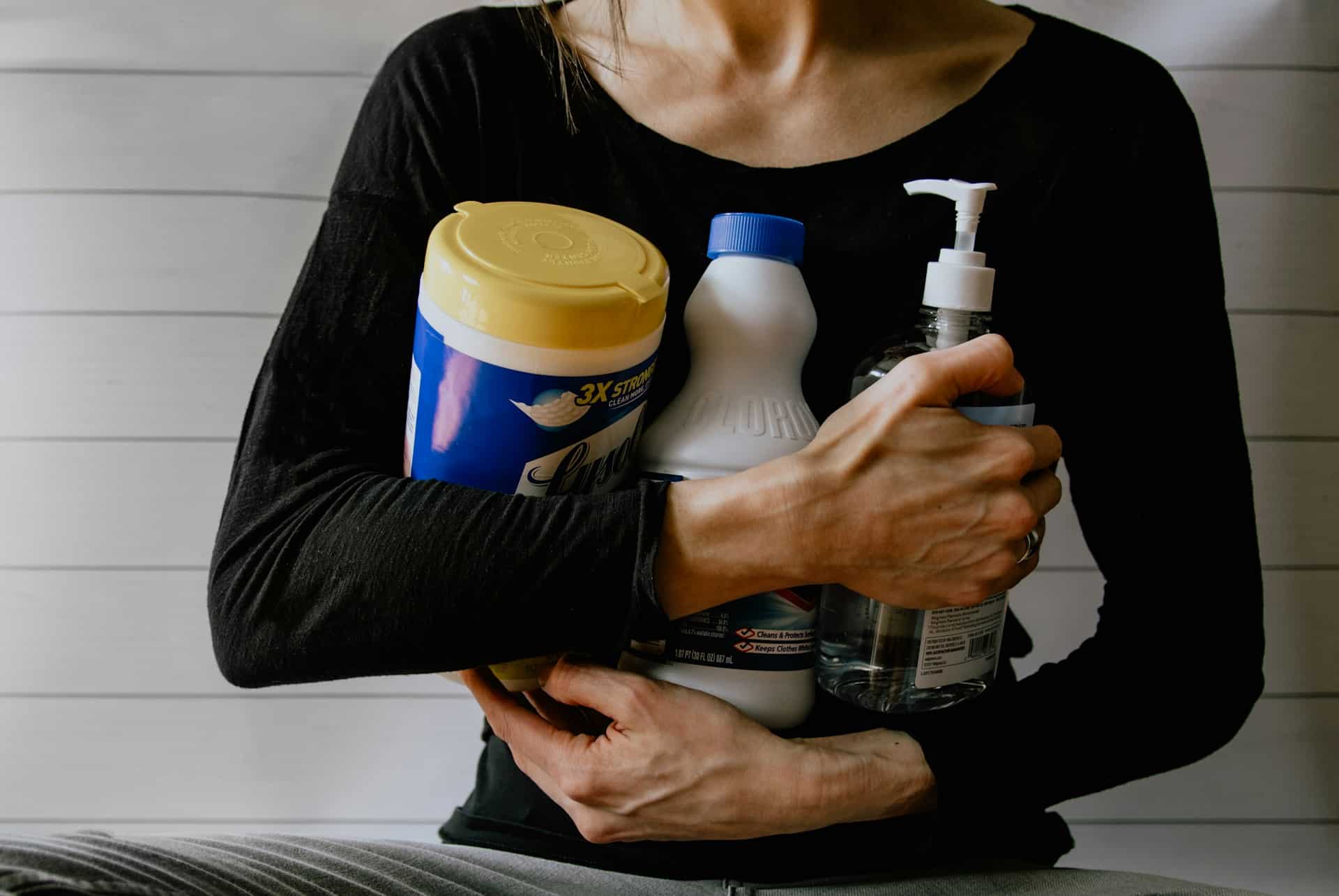
Here is the method I recommend when you want reliable results without harsh fumes or heavy perfume.
Air out or quick-rinse → oxygen pre-soak → correct detergent dose → warm wash if label allows → skip softener → dry fully and fast.
If you only change one habit, do not leave sweaty clothes in a pile. The pile traps moisture and warmth, and that is basically an odor incubator.
What I do (fast):
Why it works: Dry fabric slows down the whole “smell rebuild” cycle. It also stops that stale, damp smell that people confuse with sweat odor.
Read Also: Benefits of Natural Cleaning Products
This is the step that fixes the classic complaint: “clothes smell like sweat after washing.” Pre-soaking helps because it gives the oxygen cleaner time to work through the underarm area and fibers before the wash cycle dilutes everything.
What to use it for:
How I run it (simple):
Fill a bucket/sink with warm water (warm helps, but do not go hotter than the care label).
Add an oxygen laundry soaker (follow pack directions).
Soak 30 minutes to a few hours depending on how bad the odor is.
Wring gently, then wash your clothes normally.
Kin Kin Naturals Oxygen Laundry Soaker is a soaker + stain remover and it can be used for soaking or machine washing.
Eco detergents can work extremely well, but sweat odor exposes light dosing on heavy loads. If the detergent amount does not match the soil level, oils remain in the fabric, and odor returns the moment the fabric warms up.
My practical dosing rule:
Warm water usually lifts body oils better than cold. I treat temperature as a tool, cold for delicate synthetics, warm for cotton and odor-heavy items (when safe).
Simple guide (quick and safe):
If you are stuck with cold-only loads (shared laundry, delicate fabrics), do not panic. In that case, pre-soak + correct dose becomes even more important.
This is where a lot of routines fail at the finish line. Even if the wash worked, leaving clothes damp (or drying slowly in humid air) can create a musty overlay smell.
Move washed clothes as soon as possible and dry fully in sunlight or warm air.
What I do:
Read Also: How Cleaning Products Affect Indoor Air Quality
Think of this as a small “odor-control kit” you can reuse again and again. You do not need a laundry shelf full of bottles.
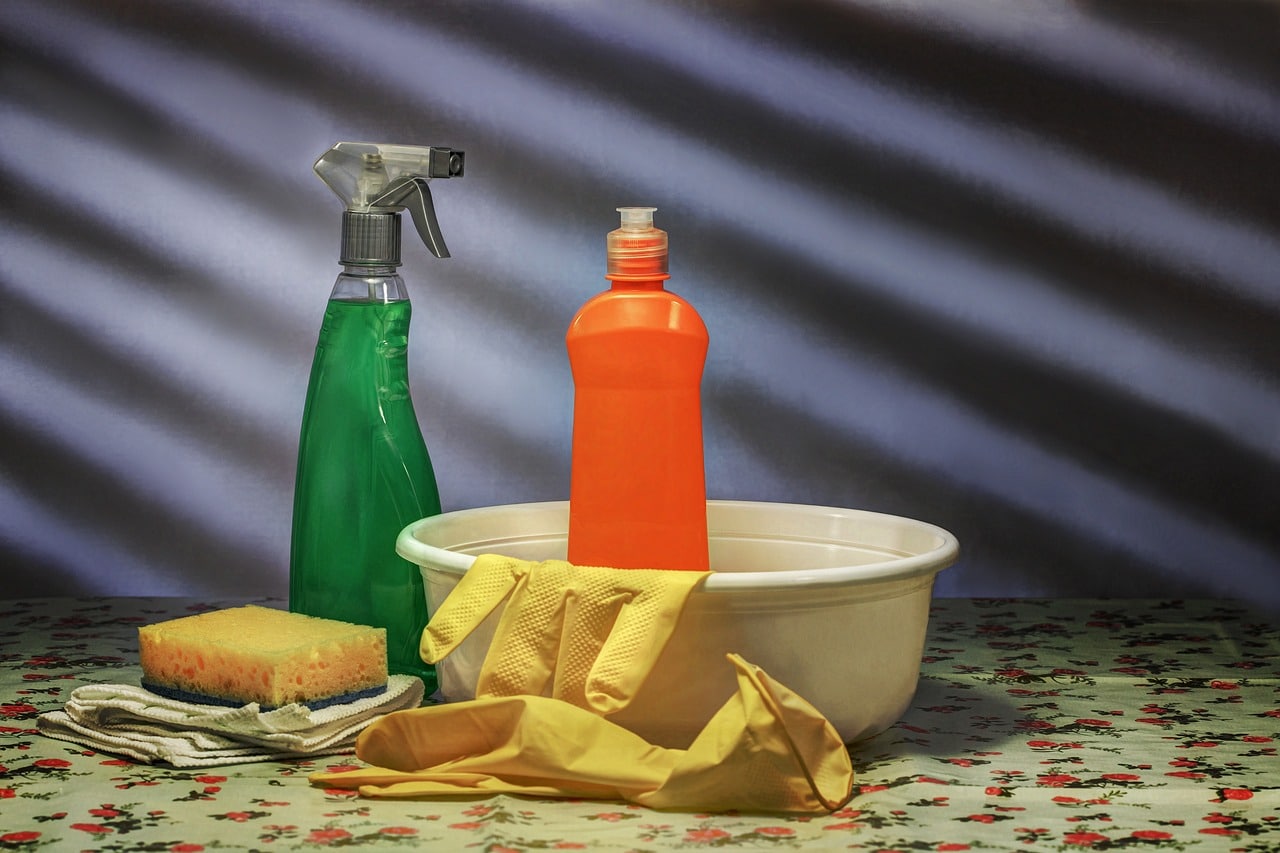
Oxygen laundry soaker
Ultra-concentrated, plant-based laundry liquids
Fragrance-free presoak powder
Wool dryer balls
Check out a wide range of eco home cleaning products available to order at My Health Food Shop today.
Usually it is residue still inside the fabric (body oils, sweat byproducts, deodorant film). Fabric type also matters because fiber composition can influence which microbes grow and how malodor develops, especially after repeated wears.
Polyester can hold onto odor compounds and build up “permastink” over time, so you often need a pre-soak + correct dosing + full drying routine. Start with an oxygen pre-soak, wash with a heavy-soil dose when needed, then dry completely.
It is commonly used for deodorizing and whitening when used as directed, but do not mix it with other “hacks.” The Spruce specifically advises not mixing oxygen bleach with vinegar during laundry; use them in separate steps if you use both at all.
Treat underarms like a “hot spot.” Pre-soak the underarm area (oxygen soaker helps), wash warm if the label allows, and avoid fabric softener that can leave residue.
Do not let damp clothes sit. Dose correctly for sweaty loads, and dry items fully and promptly. Correct dosing plus prompt, complete drying is the core of preventing odor return.


© 2026 My Health Food Shop (Formerly Rainbow Organic). All Rights Reserved



Leave a Reply
Your email address will not be published. Required fields are marked *